
Ranked UK Top 10 Web Design Agency on DesignRush & Clutch

Scale Your Legal Marketing Agency Without the Overhead
Deliver stunning law firm websites and results-driven marketing without growing your internal team. Nice Digitals works as your white-label technical partner, helping you scale client delivery while your agency stays fully in the spotlight.

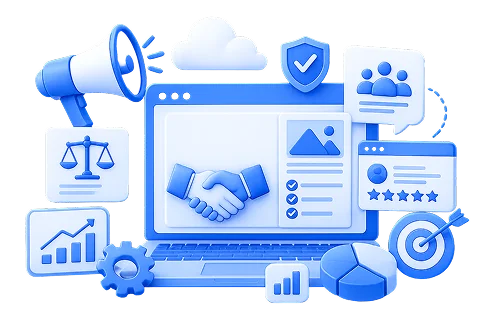









Your Dedicated Technical Team for Legal Marketing
Law firms need more than a basic website — they need local SEO, strong landing pages, and steady technical support. Building all of that in-house can quickly stretch your team thin.

Nice Digitals steps in as your behind-the-scenes execution partner, building, optimizing, and supporting legal marketing projects under your brand — while you keep full ownership of every client relationship.
Our Services
Complete White-Label Delivery
Fully custom builds shaped to match your agency’s exact designs.
Law Firm Website Development
Build professional law firm websites designed to establish trust and generate qualified leads.


Help your clients dominate local search results while we manage the strategy behind the scenes.

Optimize content for AI-driven search engines and generative search experiences.

With Google Ads, it gives access to people already looking to find businesses.


Your website works around the clock — it should never let you down.

You decided to start your marketplace and we suggest you to take your market online

Why Law Marketing Agencies Choose Us
Built for White-Label Partnerships

We work entirely behind the scenes while your agency remains the face of every client relationship.

Turn approved designs into fully developed websites and digital experiences.
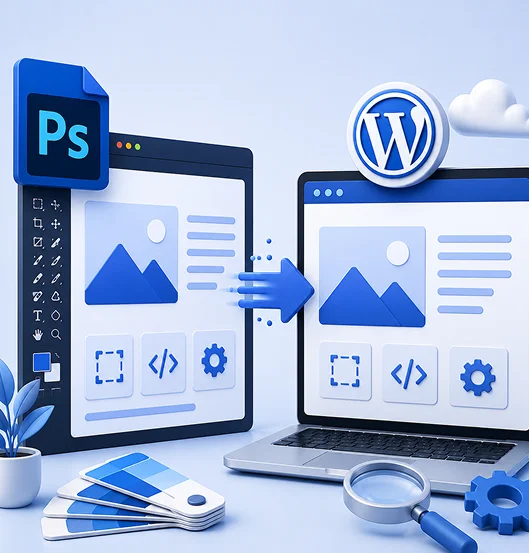
Support website execution while maintaining brand consistency.

Strengthen technical SEO, website development, and migration capabilities.

Scale delivery during periods of increased demand.

Provide website migration and technical fulfillment services for customers.
Complete Brand Confidentiality

Dedicated Development Team
Scalable Delivery
Reliable Turnaround
Flexible Engagement Models
Long-Term Partnership
Our Process
A Seamless Agency Workflow
Discovery
We learn your agency’s workflow, clients, and project needs.
Project Planning
We map out timelines, deliverables, and technical details.
White-Label Execution
Full development and marketing work, done under your brand.
Quality Assurance
Every project is tested carefully before it reaches your client.
Who We Support
Perfect for Legal
Marketing Agencies
Marketing Agencies

Boutique Law Marketing Agencies
Grow your services with dependable white-label support, without the need to increase the size of your internal tech team.

Full Service Marketing Firms
Scale client projects with dependable digital solutions delivered under your brand.

SEO Agencies
Strengthen your SEO offerings with expert development and technical support.

Creative Agencies
Turn creative ideas into high-performing websites with seamless development support.

Branding Agencies
Bring branded digital experiences to life with custom, conversion-focused websites.

Growth Agencies
Support long-term client growth with scalable websites and ongoing digital solutions.

Boutique Law Marketing Agencies
Full Service Marketing Firms

SEO Agencies

Creative Agencies

Branding Agencies

Growth Agencies

Why Nice Digitals
More Than a Vendor
An Extension of Your Team
An Extension of Your Team
Digital Growth Solutions for Modern Law Firms.

Complete White-Label Delivery
Every project stays fully confidential under your brand.

Deep Legal Industry Know-How
Years of experience building sites for law firms.

Strong Technical Execution
Development, SEO, and AI optimization done right.

Clear, Reliable Communication
Regular updates and dependable project
management.

Room to Scale
Grow or shrink capacity whenever your agency needs it.

True Partnership Mindset
Focused on helping your agency succeed long-term.
Faq
Frequently Asked Questions
Do you work directly with law firms?
No, we work exclusively behind the scenes with your agency, keeping your brand front and center.
Can you work inside our project management system?
Yes, we can collaborate directly within your existing tools and workflow.
Do you provide white-label SEO?
Yes, our SEO services are delivered fully under your agency’s brand.
Can you support multiple law firm projects simultaneously?
Yes, we can work on multiple client projects at the same time without any delay.
Do you sign NDAs?
Yes, we’re happy to sign NDAs to keep your agency’s information private.
Have A Project In Mind?
It's time to Make a Difference Together.
Let us know the scope of work for your project and we will get to work to develop the next level of your agency.