










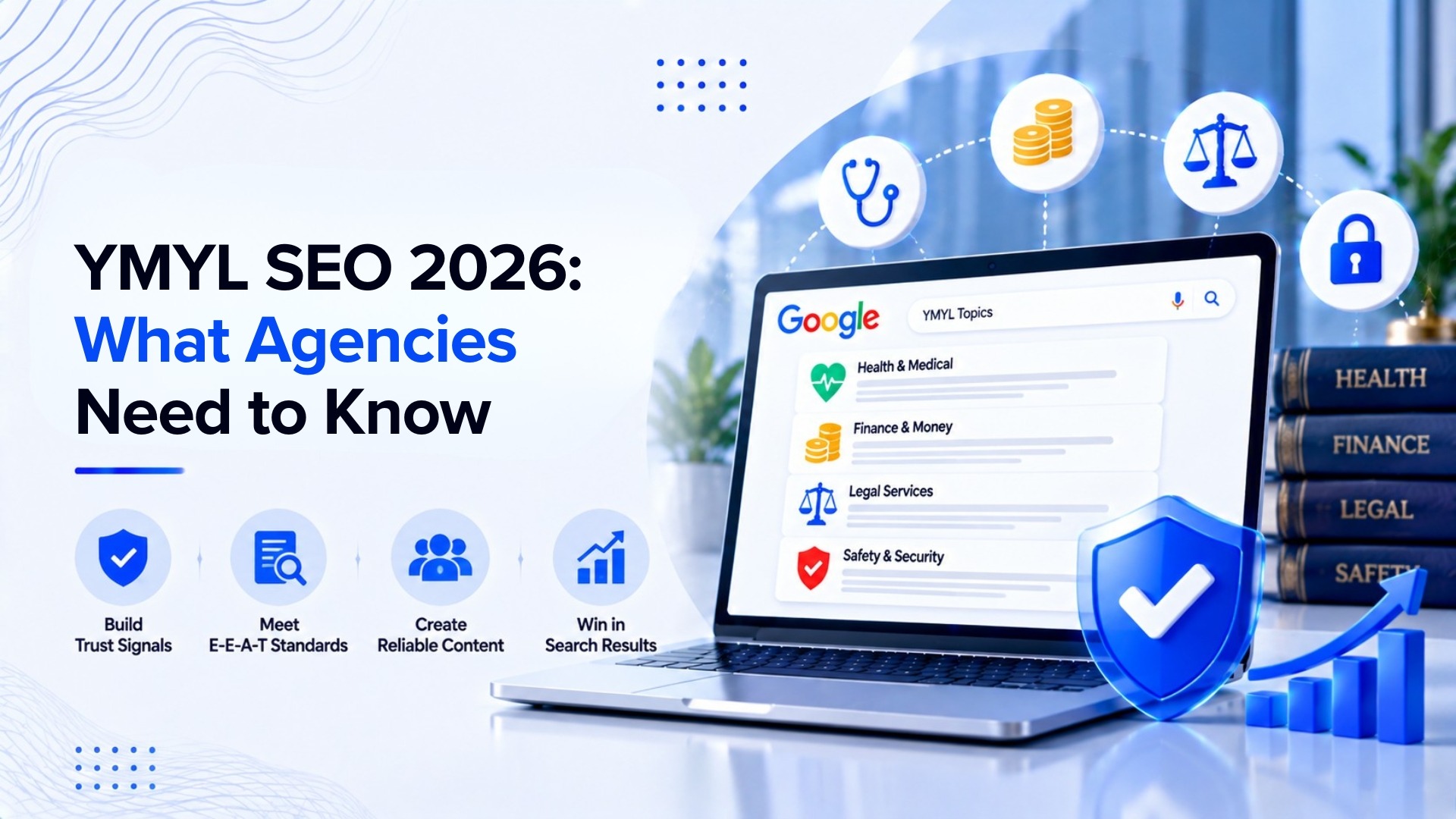
YMYL SEO: What Agencies Must Know in 2026
For lawyers, doctors, or financial advisors, YMYL SEO is how it affects your content planning strategy. All the classic strategies of keywords, links, and new posts are still relevant, but not all by themselves. What to do differently!
Key Takeaways
- YMYL refers to articles that could hurt the health, money, safety, or well-being of the user.
- YMYL is not a penalty—it’s a measure of quality, so work to demonstrate a level of real expertise and trust for each page.
- Agencies require author credentials, due diligence and proper sourcing, consistent updates, and a schema that is detailed in law and health care holders.
So, what is a YMYL in SEO? The meaning for YMYL is explained.
YMYL stands for what in SEO? YMYL is the term used for ‘Your Money or Your Life’. It’s a term from Google’s Search Quality Rater Guidelines. Content on a topic is qualified if content about the topic can significantly influence the financial stability, the welfare of society, and the health or safety of people.
YMYL means the same: When misinformation could cause harm, Google requires more evidence of a trusted source. These guidelines are used for measuring search quality and the ratings are used to test Google’s systems. The term YMYL is not a plug you can simply insert to make your site YMYL, nor is there a “YMYL penalty.
YMYL Categories Google Recognises in 2026
The YMYL categories in the current guidelines are:
- Health or Safety: mental, physical, and emotional health, plus physical and online safety.
- Financial Security: anything that can affect an individual’s ability to provide for themselves and their family.
- In September 2025, the topic of election/voting was explicitly included and the government category in Google, formerly named “Society,” was renamed.
- Other: Any issue that might hurt people or society, that is not included in the other categories.
In practice, not only do the various areas of law need to be understood more accurately, but they also raise serious rights and financial considerations in areas such as criminal defence and immigration law.
So How Google Treats YMYL Content Differently.
Google gives demands a higher standard for reliability and correctness for YMYL topics. A cooking blog doesn’t have to be serious. A page that talks about bail/medication/not paying taxes won’t. Raters examine the credentials of the creator, the qualifications, where the information is sourced, whether it is up-to-date, and the transparency of who the site is targeted at.
E-E-A-T for pages that are considered to be YMYL pages.
- E-E-A-T YMYL is further broken down into 4 components: Experience, Expertise, Authoritativeness, and Trust. This is because Google’s advice gives the factor of trust the highest ranking among the 4. In practice:
- Experience – prove by having been actually involved in the process, e.g., how many case types you worked with or how many procedures you performed.
- Experience: rely on knowledgeable volunteers or reviewers, for example attorneys who are admitted to the bar or clinicians who are licensed.
- Originality: Generate valuable mentions, reviews, and citations from established entities
- Be sincere, honest and approachable with people, rather than lying, withholding information or being difficult to reach.
- We have a more detailed explanation for each piece on our E-E-A-T guide.
What Agencies Must Do Differently for YMYL Clients
Standard workflows need extra steps:
- Add expert review. A qualified professional should write or review every page.
- Source carefully. Connect to a statute, court rules, medical guidelines or government page.
- Update on a schedule. Laws and medical advice change, so set review dates.
- Avoid promises. Do not promise outcomes, cures or results.
- Add the disclaimers—this. is as it is used with the include/exclude feature. Be succinct and concise.
- Follow industry rules. Check state bar advertising rules and health-claims regulations.
See our Criminal Defense SEO and Healthcare Digital Marketing posts for examples.
The following are YMYL red flags to avoid!
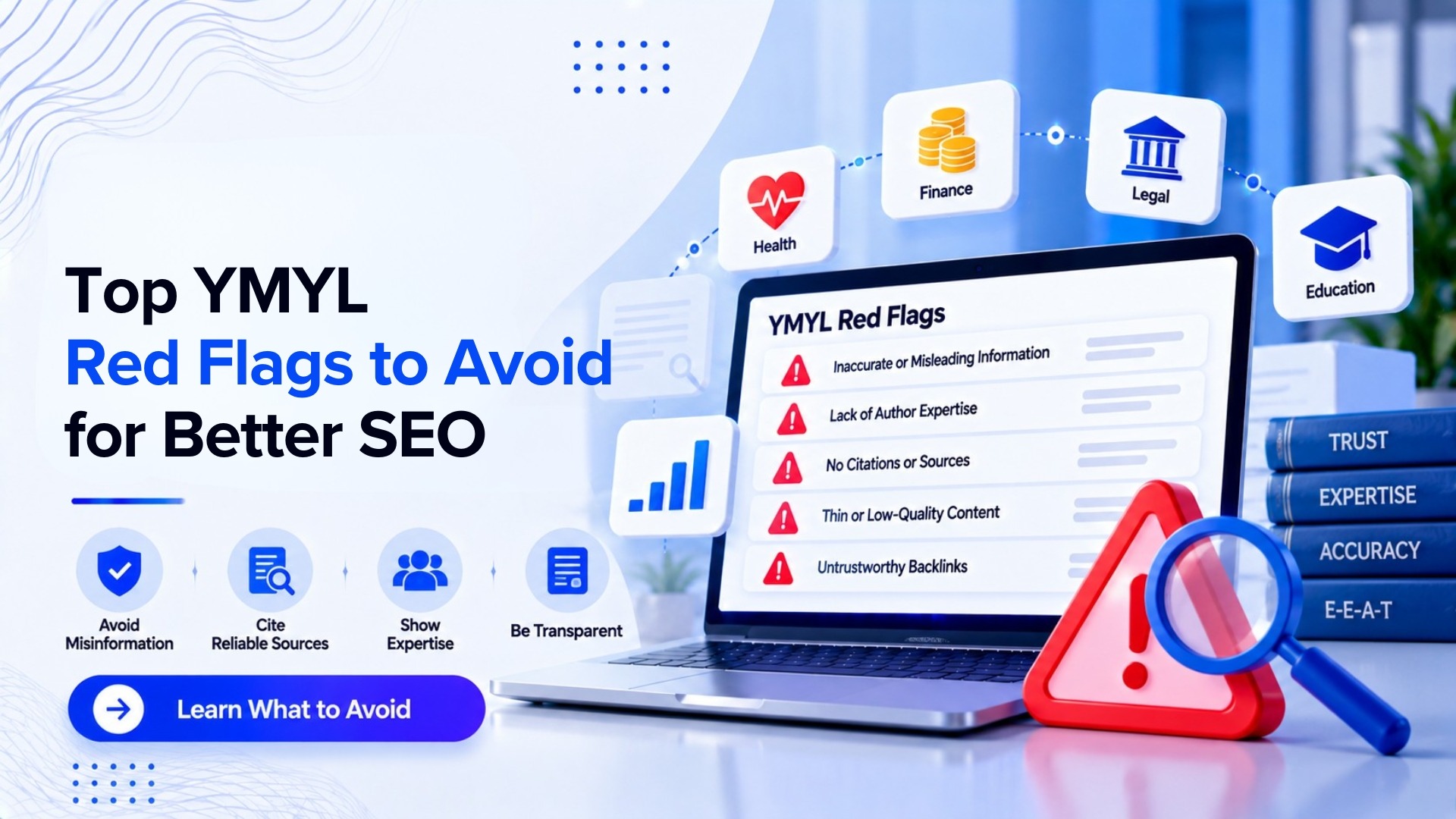
Throwing out untrustworthy and poor-quality pages can cause them to fade in. Watch for:
- Anonymous authors or fake credentials
- Outdated legal or medical advice
- Claims with no source
- Thin, copied, or unreviewed AI-written content
- Missing contact details or business information
- Exaggerated promises
Be aware of the wording here. The effects of low-quality on rankings are due to YMYL Core updates, which does not apply to spam, nor do manual actions hurt rankings.
Author Authority for Law and Healthcare Clients – How to Build
Create a true profile for each pro that includes a photo, credential, bar number or license, specialty and links to professional profiles. Include a byline and “reviewed by” statement on important pages. Get people talking, and get their name in publications and directory listings so that the name is the same in trusted venues. Our Entity SEO post explains how consistent entity details support trust.
Schema Markup for YMYL Industries
Structured data provides information to the search engine/AI about the people behind a page. Some useful types include Person, Attorney, LegalService, Physician, MedicalWebPage, and Organization; attributes include reviewedBy, sameAs, given name, like: cd, ancestry: cd, place of birth. Ensure that the schema is consistent with that presented on the page.
FAQs for YMYL SEO
So, what are YMYL Pages?
It’s pages on subjects where health, money, safety or wellbeing of people could be at risk from the wrong information placed here, e.g. medical advice, legal advice, financial advice etc.
Have they got a YMYL site?
If the site provides advice that can impact on health, finances, legal rights or safety take it as a YMYL. Every time, most definitely law firms and healthcare.
Does YMYL impact Ranking?
YMYL is a quality lens and not a ranking factor that you could turn on. Talk on these matters builds trust and expertise, and hurts in tandem.