










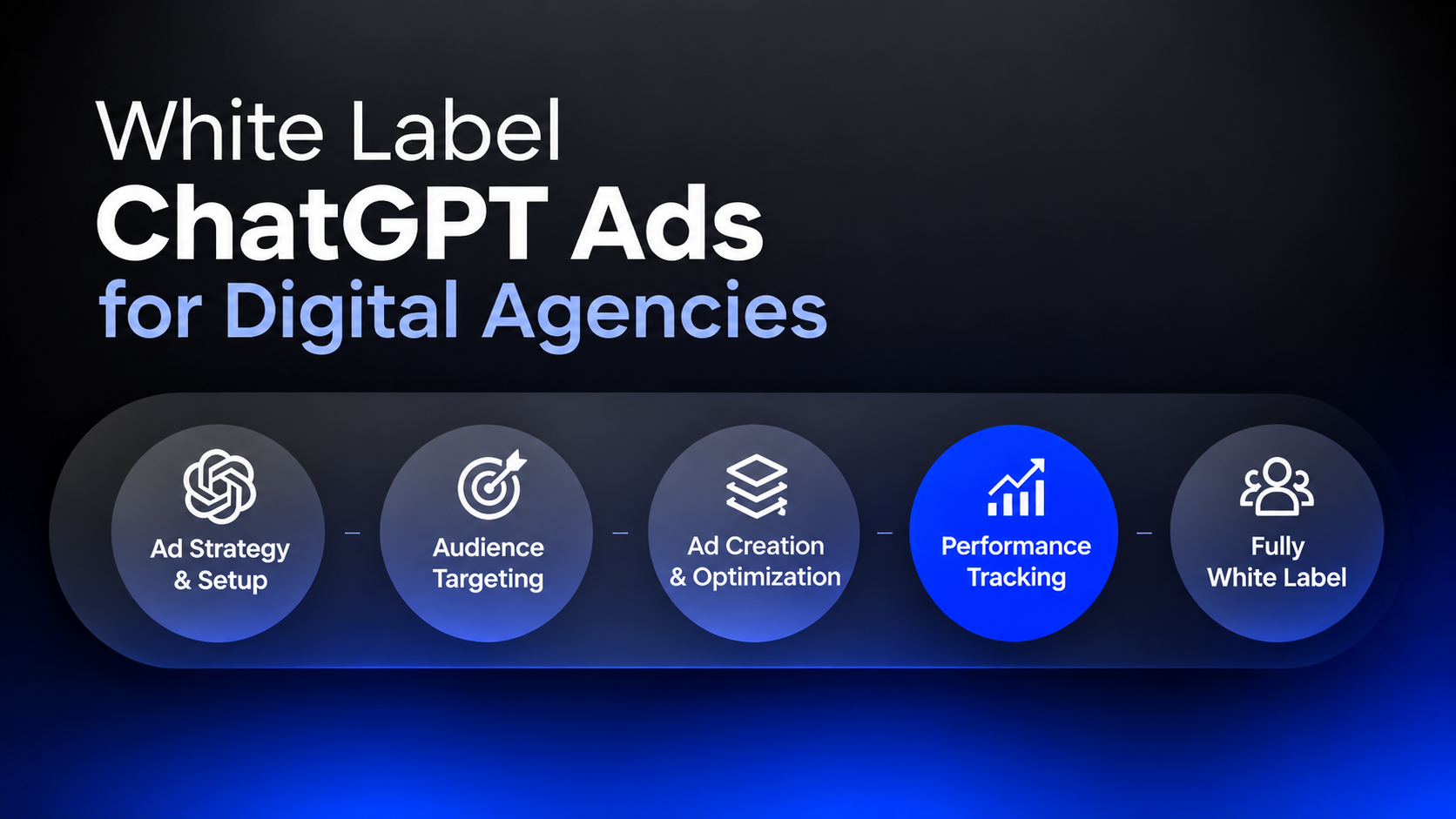
ChatGPT Ads for Agencies: How to Add Them to Your White Label Services in 2026
The extension into AI-powered experiences by advertising is a service opportunity that could be magnified by ChatGPT Ads for agencies. By knowing how these ads work, how they differ from Meta ads, and what clients are looking for, agencies can prepare for these kinds of ads.
But it is important to distinguish today’s platform features from plans by agencies. Access to ads, formats, targeting, reporting, and account controls are subject to change. Please consult OpenAI’s current official advertising message and ensure your agency and client meet the requirements before selling campaigns.
A good way of doing things could be by developing a planned process for the services, where it is clear from the outset that any access, results, and features offered are going to be based on the fact that they have been found to be effective and appropriate.
Key Takeaways
- To provide advertising, check for access: Ensure that advertising is accessible, eligible, and subject to the same platform considerations.
- Create an entire service process: Things like planning, set up, creative approval, monitoring, reporting, and customer service should be integral parts of your service offering.
- Provide results and features only after validation and proof of effectiveness and suitability.
- Ask around real business: Track the serving expenses according to the requirements of the campaign, management time, reporting and the help rendered.
What Are ChatGPT Ads, and How Could They Work in 2026
ChatGPT ads refer to ads that are served to or with users’ ChatGPT interactions. The specifics of where they’re available, how one qualifies for membership, and the methods for purchasing them will vary according to the products that OpenAI advertises.
They are not sponsored search results on Google or paid social posts on Meta—that is completely different. Often, ChatGPT users ask questions, give comparisons, and ask for assistance on decisions. This provides an alternative space for ads, where they don’t get lost in the noise and where users actually look forward to buying.
For example, if a user asks an AI-powered tool to do a comparison of project management tools, they are not necessarily looking for a specific brand but something that suits their needs. In this context, an ad could be ‘optional,’ where the context of an ad is relevant to the article and the platform will allow it.
Agencies should always verify the most up-to-date details about the product before formulating a sales package. Not all adverts are available, or all the targeters are able to have them or equal reporting facilities.
ChatGPT Ads vs Google Ads and Meta Ads
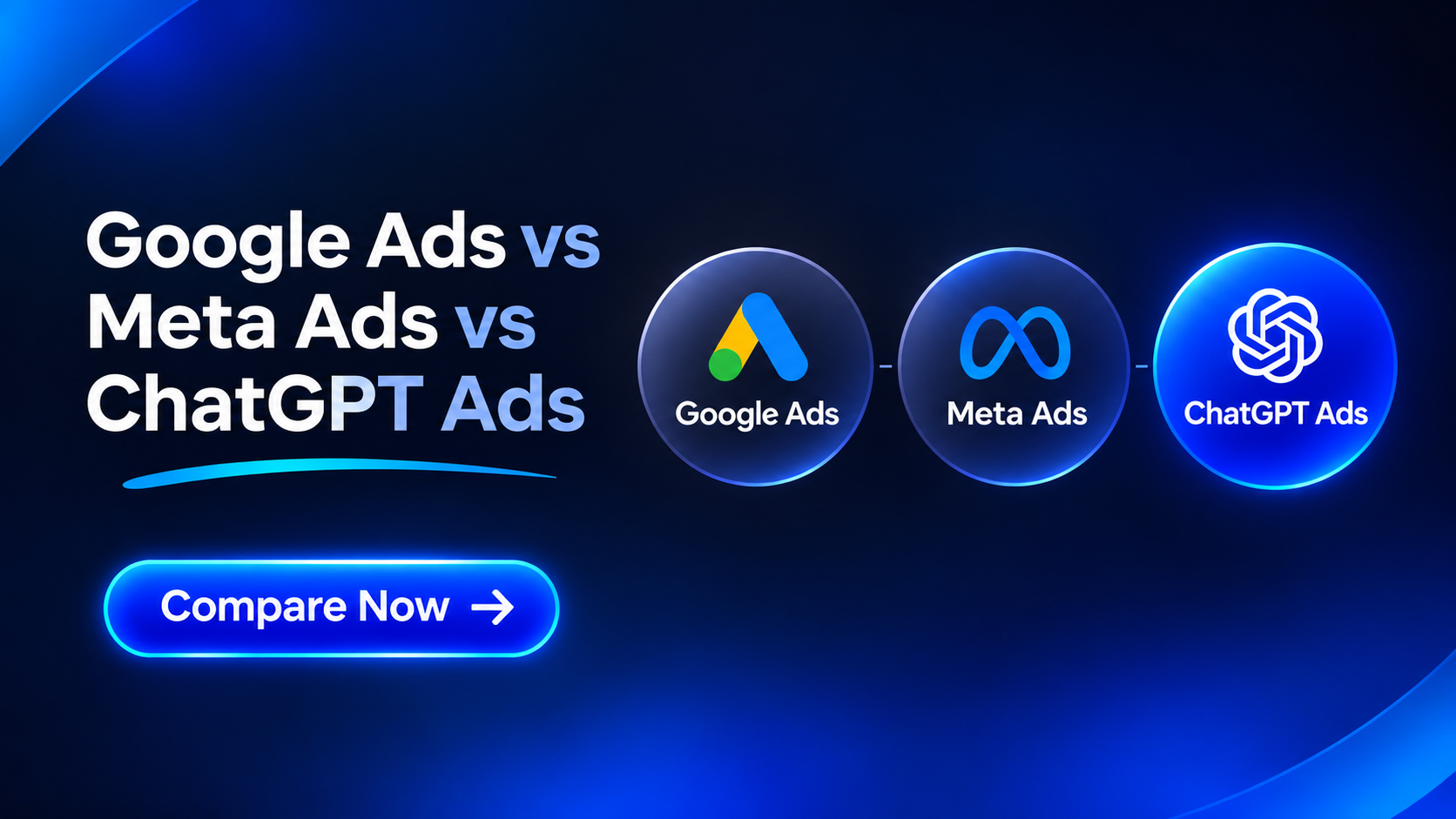
The different ads channels have different UX. Agencies don’t want to lead their clients to believe that ChatGPT is a replacement for their existing campaigns, but rather ensure they’re aware of that deficit.
Channel | Typical user context | Agency focus |
Google Ads | Users search for products, services, or answers | Search intent, keywords, landing pages, conversions |
Meta Ads | Users browse social content and discover offers | Creative, audiences, engagement, conversion testing |
ChatGPT Ads | Users interact with an AI assistant | Relevant messaging, platform rules, user trust, measurable outcomes |
Ads from Google can reach people who are actively looking for a service. It is possible to develop awareness for a product and express targeting strategies for an audience with Meta ads. Depending on the formats available, ChatGPT advertising can provide a distinct value-added context for targeting individuals throughout the information-gathering process.
Agencies should keep utilizing the channels that they have established based on what clients are going for. Go to Nice Digitals‘ white-label Meta Ads service for social advertising delivery assistance.
Why Agencies Are Exploring ChatGPT Ads Now
Clients want to know the whereabouts of their audiences and if any new platforms should be a part of their marketing budget. People are changing the way they research products, comprehend services, and compare options with AI tools.People are adapting to new ways of researching products, understanding services, and comparing options by leveraging AI tools.
This is what makes ChatGPT Ads worth keeping an eye on, but simply being interesting doesn’t mean it will be better than Google Ads. Before recommending a test, agencies should consider the problems of access, the fit of the audience for the campaign, the cost of the campaign, the methods by which it can be measured and the objectives of the client.
One way to prepare is to:
- Check the platform updates and advertising guidelines.
- Recognize customers with products that fit comprar con información buying models.
- Establish earlier expectations of access and performance;
- Create your landing pages and set up conversion tracking before campaigns.
Retest only with a LIMITED TEST if the platform provides this option.
This provides agencies the opportunity to try a different channel while ensuring they don’t taint the client’s trust or go too far with promises they cannot back up.
FAQS For ChatGPT Ads for Agencies
Can digital marketing agencies offer ChatGPT Ads as a service?
Yes, agencies can explore ChatGPT advertising opportunities and include campaign strategy, audience research, ad planning, and performance reporting in their service offerings.
Which businesses can benefit from ChatGPT advertising?
E-commerce brands, SaaS companies, educational businesses, professional service providers, and other businesses may explore ChatGPT advertising depending on campaign availability and suitability.
What are the benefits of offering ChatGPT Ads to clients?
It can help agencies explore emerging advertising channels, expand their service portfolios, attract new clients, and create additional revenue opportunities.